Top Electronics Recycling for Residential Drop-Off
Eco-Friendly Approaches: How E-Waste Recycling Services Are Preserving Our Planet
E-waste represents a considerable hazard to the environment, as abandoned electronic devices commonly carry harmful materials. Such dangerous compounds can pollute soil and water supplies, causing extensive damage to surrounding ecosystems. E-waste recycling initiatives provide a practical answer. They successfully retrieve useful resources while simultaneously minimizing environmental pollution. Understanding how these services operate and their impact on communities is essential. The journey towards effective e-waste management raises critical questions about individual responsibility and collective action. What steps can be taken next?
How E-Waste Is Hurting the Planet
Although technology enhances our daily lives, electronic waste presents serious threats to the environment. Disposed electronic equipment, commonly laden with toxic substances including mercury, lead, and cadmium, are capable of seeping pollutants into soil and groundwater, presenting dangers to ecosystems and human health. The rapid pace of technological advancement leads to increased consumer turnover of electronics, worsening the buildup of electronic waste.
Landfills, already strained by waste, are unable to keep up with the rising quantities of abandoned electronics. Burning, an alternative disposal approach, discharges toxic contaminants into the air, worsening overall air quality. In addition, improper recycling practices can lead to the exportation of e-waste to developing countries, where laborers may dismantle devices without adequate safety measures, exposing themselves to dangerous substances. This ongoing cycle of carelessness and inadequate management emphasizes the pressing necessity for responsible recycling initiatives that can lessen the harmful consequences of e-waste on our world.
What Is E-Waste and Why Is It Important?
E-waste, or electronic waste, comprises unwanted electronic equipment like televisions, computers, and smartphones that have exceeded their operational lifespan. This increasingly prevalent form of waste is important owing to its accelerating volume, fueled by innovation in technology and shifting consumer habits. As growing numbers of electronics become outdated, the environmental impact intensifies, with toxic materials such as lead, mercury, and cadmium presenting serious hazards to the environment and human well-being.
Addressing e-waste is crucial not only for reducing these dangers but also for acknowledging the precious materials found within it. Precious metals and rare earth elements can be recovered and reused, reducing the need for mining and conserving natural resources. Through a deeper awareness of e-waste and its consequences, both individuals and organizations can make well-informed choices regarding disposal and recycling, thereby supporting a more sustainable future. Proper management of e-waste is essential for fostering a circular economy and promoting environmental stewardship.
How the E-Waste Recycling Process Works
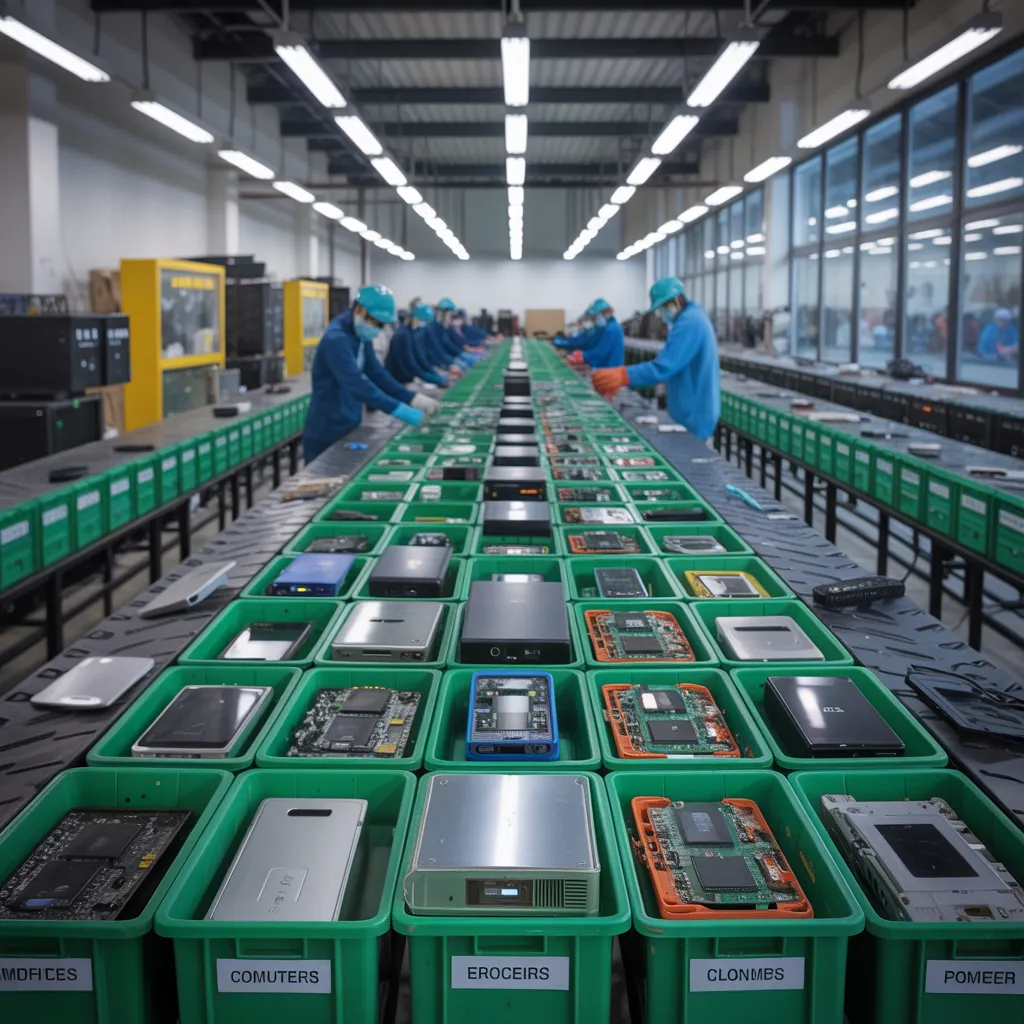
Recycling e-waste involves an organized procedure aimed at reclaiming useful resources while limiting ecological damage. At the outset, electronic waste is gathered and delivered to specialized recycling facilities. Upon arrival, the electronics are carefully categorized to distinguish harmful elements from reusable resources.
Subsequently, specialists break down the products, recovering plastics, metals, and glass. This process is vital, as it enables the extraction of precious metals like silver, gold, and copper, which are repurposed in new electronics.
Subsequently, the divided materials are treated through cutting-edge techniques, such as chemical treatments and shredding, to prepare them for further use.
Finally, the residual hazardous waste is handled with responsibility, following eco-friendly standards. This comprehensive process not only saves important resources but also minimizes the hazards associated with unsafe e-waste handling, securing a more eco-conscious future for electronic consumption.
Why E-Waste Recycling Matters for You and Your Community
While many individuals may not realize it, the benefits of e-waste recycling reach well past personal use to meaningfully influence entire communities. By carefully processing electronic waste, individuals help foster a cleaner environment, reducing harmful substances that can contaminate soil and water. This responsible method works to protect local ecosystems and advances public health.
Additionally, e-waste recycling fosters employment opportunities within local communities. Nearby recycling establishments regularly need employees for various operations, from collection to processing, thus generating valuable job opportunities for community members. This not only strengthens the regional economy but also promotes community participation in sustainable initiatives.
In addition, familiarity with e-waste recycling has the potential to generate awareness campaigns, enabling residents to embrace sustainable practices. By participating in e-waste recycling programs, individuals cultivate a culture of sustainability, encouraging others to follow suit. All things considered, the shared impact of these actions can result in a more strong and environmentally aware community.
Tips for Choosing an E-Waste Recycling Service
Selecting the right e-waste recycling service is crucial for making sure that e-waste is processed responsibly and sustainably. First, consumers should confirm the company's credentials, such as R2 and e-Stewards certifications, which indicate conformance to established benchmarks for safe recycling practices. It is equally important to assess the organization's standing by checking reviews and seeking advice from dependable sources.
Furthermore, transparency in the recycling process is vital. A reliable company should supply straightforward details about the way e-waste is handled and how the materials are utilized. Furthermore, considering the scope of services provided can prove valuable; some companies may provide pickup services or offer incentives for recycling.
In addition, familiarizing yourself with local guidelines related to e-waste disposal can further guide the selection process. When these considerations are given priority, consumers can play a role in responsible e-waste disposal while supporting environmentally responsible practices.
How You Can Take Part in E-Waste Recycling?
Getting involved with e-waste recycling may begin at the local level, where community recycling hubs regularly supply essential services for proper disposal. Furthermore, participating in community awareness campaigns can amplify efforts to raise awareness about the importance of proper e-waste handling. Such efforts not only encourage sustainable practices but also cultivate a collective sense of stewardship of the Visit here environment.
Community Recycling Locations
Numerous neighborhood recycling stations perform an important function in e-waste recycling, giving communities practical solutions to discard electronic waste in an eco-friendly way. These stations receive a variety of electronic equipment, including old computers, smartphones, and televisions, ensuring that harmful materials are handled safely. The majority of facilities employ qualified professionals who help individuals navigate appropriate disposal procedures, highlighting the value of recycling rather than landfilling. Moreover, many centers offer planned drop-off gatherings or set collection days, making it easy for residents to participate. By taking advantage of these neighborhood resources, individuals contribute to a circular economy, reducing environmental impact and promoting sustainable practices. Engaging with these centers encourages communities to fight e-waste pollution decisively.
Community Awareness Campaigns
Nearby organizations, schools, and enterprises can partner to arrange initiatives that encourage e-waste collection drives. Dedicated participants can take a leading part in promoting knowledge, handing out educational content, and interacting with the surrounding community. As a result of these combined actions, residents become more informed and motivated to recycle their electronic waste, thereby helping to build a greener and more sustainable tomorrow.
Frequently Asked Questions
What Kinds of Electronics Can Be Recycled?
A wide range of electronics can be recycled, including smartphones, computers, laptops, televisions, printers, and gaming consoles. Moreover, peripherals such as keyboards, mice, and batteries are equally appropriate for recycling, aiding in sustainable environmental practices.
Are There Fees Involved With E-Waste Recycling?
Indeed, electronic waste recycling may involve fees, depending on the provider. Certain providers impose charges for pickup or handling, while others make services available at no charge, frequently supported by the resale of recovered materials.
What Are the Benefits of E-Waste Recycling for Businesses?
Businesses can benefit from e-waste recycling by reducing disposal costs, enhancing their environmental image, complying with regulations, reclaiming useful materials, and creating potential earnings via resale, ultimately contributing to a more sustainable operational strategy.
What Occurs with Data on Recycled Devices?
Data from recycled devices is commonly irretrievably wiped or destroyed during processing. This guarantees sensitive information is kept safe, blocking unwanted intrusion while permitting materials to be reused safely and responsibly in new products.
Is It Possible to Recycle Damaged Electronics?
Yes, defective electronics are able to be recycled. A wide range of centers process broken devices, providing safe disposal and extraction of valuable materials. This helps minimize harm to the environment while promoting sustainable recycling habits to manage electrical waste efficiently.